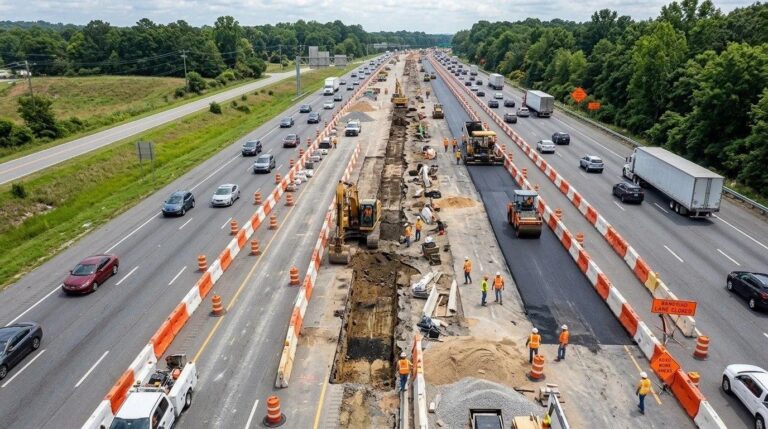
Highway construction is necessary to maintain roads, repair bridges, improve traffic flow, and upgrade transportation infrastructure. However, construction zones can also introduce unexpected hazards for drivers, passengers, and road workers. Narrow lanes, changing traffic patterns, sudden stops, and temporary barriers can make an otherwise familiar highway difficult to navigate.
Highway work zone safety remains an important concern in 2026. According to the Federal Highway Administration (FHWA), 850 people died in work zone traffic crashes across the United States in 2024. Although that represented a decrease from 2023, speeding and rear-end collisions continued to play significant roles in fatal crashes.
Drivers sometimes assume that construction zones are dangerous mainly for road workers. In reality, many people killed or injured in these crashes are motorists and passengers traveling through the affected area.
Understanding why highway work zones are dangerous can help drivers recognize hazards earlier, adjust their behavior, and reduce the likelihood of a collision.
Why Highway Work Zones Create Dangerous Driving Conditions
Construction zones change the road environment that drivers expect. A highway with three open lanes may suddenly narrow to two. Familiar exits may be temporarily relocated, and traffic may move onto a different section of pavement.
These changes require drivers to process new information while maintaining awareness of surrounding vehicles.
Unexpected Lane Closures
 Lane closures are among the most recognizable work zone hazards. When drivers approach a closure, they must identify the correct lane, adjust speed, and merge with surrounding traffic.
Problems arise when motorists ignore advance warnings, make abrupt lane changes, or attempt to pass other vehicles immediately before a lane ends.
A sudden merge can force nearby drivers to brake sharply, potentially creating a chain reaction in congested traffic.
Narrower Lanes and Temporary Barriers
Construction projects sometimes require temporary lane narrowing. Concrete barriers, traffic barrels, and construction equipment may sit close to moving vehicles.
Drivers have less room to recover from steering errors. Large trucks and buses may require additional space, especially around curves or temporary lane shifts.
Changing Road Surfaces
Uneven pavement, temporary markings, steel plates, and changes in road elevation may affect vehicle handling. Motorcycles and smaller vehicles can be particularly sensitive to certain surface changes.
Drivers should reduce speed when appropriate and avoid sudden steering or braking movements.
What the Latest Work Zone Crash Statistics Show
The FHWA’s 2026 National Work Zone Awareness Week fact sheet reported 763 fatal work zone crashes and 850 fatalities in 2024.
The same report identified several important crash patterns:
- Speeding was a factor in 34% of fatal work zone crashes.
- Rear-end collisions were involved in 22% of fatal work zone crashes.
- Large trucks or buses were involved in 31% of fatal work zone crashes.
- Drivers and passengers accounted for 673 of the 850 fatalities.
These statistics show that work zone safety is not only about protecting construction crews. Drivers and passengers also face serious risks when traffic conditions change unexpectedly.
Additional statistics are available through the FHWA Work Zone Facts and Statistics resource.
Why Rear-End Collisions Are Common in Construction Zones
Traffic approaching a construction zone may slow suddenly as several lanes merge into fewer lanes. A driver traveling at highway speed may encounter stopped vehicles with relatively little warning, particularly near curves or hills.
Following too closely reduces the time available to respond when traffic begins braking.
Stop-and-Go Traffic Creates Additional Hazards
Traffic congestion often develops near construction entrances, temporary intersections, and lane closures. Drivers may repeatedly accelerate and brake while moving through these areas.
Motorists who become distracted by navigation screens, phones, or surrounding construction activity may fail to notice that vehicles ahead have stopped.
Maintain More Following Distance
Increasing the distance between vehicles gives drivers additional time to recognize braking traffic and respond smoothly.
The appropriate following distance depends on speed, weather, visibility, traffic, and road conditions. Drivers should leave more space when visibility is limited or the roadway is congested.
For broader prevention strategies, review Top Car Accident Prevention Tips Every Driver Should Learn.
How Speeding Increases Work Zone Crash Risks
Speeding is especially dangerous in work zones because drivers may have less room to maneuver and less time to react.
A vehicle traveling too quickly may be unable to stop safely when traffic slows unexpectedly. Higher speeds can also increase the severity of a collision.
Posted Speed Limits May Change
Some work zones have temporary speed limits that differ from the normal highway limit. These restrictions may reflect narrow lanes, nearby workers, reduced shoulders, or unusual traffic patterns.
Drivers should watch for posted speed limits and obey applicable restrictions. Even when the posted limit remains unchanged, conditions may require traveling more slowly.
Why Speed Cameras Are Appearing in Some Work Zones
Some states use automated speed enforcement programs in qualifying highway work zones. These programs generally aim to discourage speeding and improve safety, although their requirements and penalties vary by jurisdiction.
Drivers should not assume that every work zone uses automated enforcement or that the same rules apply nationwide.
The safest approach is to follow posted limits and adjust speed to actual road conditions, regardless of whether cameras are present.
Why Nighttime Construction Zones Are Especially Risky
Road agencies frequently schedule construction at night to reduce daytime traffic delays. However, nighttime work introduces additional visibility and fatigue concerns.
The FHWA’s Advancing Nighttime Work Zone Safety initiative notes that approximately half of fatal work zone crashes in 2023 occurred at night.
Reduced Visibility
Drivers may have difficulty identifying temporary lane markings, construction equipment, workers, or changes in road alignment after dark.
Bright construction lights can also create glare, especially when drivers transition between brightly illuminated work areas and darker highway sections.
Driver Fatigue
Motorists traveling late at night may experience reduced alertness. Fatigue can slow reaction time and make it harder to recognize unusual road conditions.
Drivers who notice repeated yawning, difficulty concentrating, or trouble maintaining lane position should stop at a safe location and rest.
Higher Speeds During Light Traffic
Drivers sometimes travel faster when roads appear empty. However, a highway with little traffic can still contain abrupt lane closures, maintenance vehicles, and workers near active travel lanes.
Reduced congestion does not eliminate the need to slow down through a work zone.
How Large Trucks Affect Work Zone Safety
Large commercial vehicles require more space to maneuver and may need longer stopping distances than smaller passenger vehicles.
Temporary lane shifts, narrow barriers, and sudden traffic backups can create additional challenges for truck drivers.
The FHWA has identified commercial motor vehicle involvement as an important issue in fatal work zone crashes.
Avoid Traveling Alongside Trucks in Narrow Lanes
Drivers should avoid lingering beside large trucks when lane widths are reduced. Trucks may require additional clearance while navigating curves or temporary traffic patterns.
Do not attempt to squeeze into a small gap immediately ahead of a truck approaching stopped traffic.
Be Patient During Truck Merging
Commercial vehicles may need additional time and space to merge safely. Sudden acceleration, aggressive passing, or abrupt braking can make the maneuver more difficult.
Allowing adequate space supports safer traffic movement for everyone.
How to Drive Safely Through Highway Work Zones
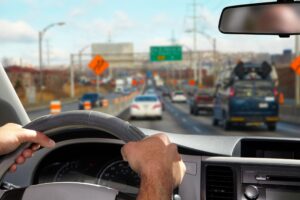 Work zone safety begins before a driver reaches the construction area. Recognizing warning signs and adjusting early can reduce the need for sudden maneuvers.
Watch for Advance Warning Signs
Construction signs may announce lane closures, reduced speed limits, temporary traffic shifts, or workers ahead.
Pay attention to these warnings and prepare before reaching the affected roadway.
Merge According to Posted Instructions
Follow traffic signs, pavement markings, and directions from authorized personnel.
In some slow-moving traffic situations, transportation agencies encourage zipper merging, where vehicles use available lanes before taking turns at the merge point. However, drivers should follow the specific instructions provided at each work zone.
Eliminate Distractions
Put away your phone, avoid unnecessary infotainment adjustments, and focus on the road.
Construction areas require increased attention because traffic patterns may change quickly.
Leave Additional Space
Increase following distance when approaching lane closures, traffic queues, or areas with limited visibility.
A larger safety margin gives you more time to react if the vehicle ahead brakes suddenly.
Respect Workers and Traffic Control Personnel
Road workers may operate near moving traffic or cross designated work areas. Follow instructions from flaggers and other authorized traffic control personnel.
Never drive around a closed barrier or enter a restricted construction area.
Can Navigation Apps Help Drivers Avoid Construction Hazards?
Modern navigation apps may provide alerts about road closures, congestion, and construction activity. These features can help drivers prepare for changing conditions.
In July 2026, the U.S. Department of Transportation highlighted the Work Zone Data Exchange program, which helps transportation agencies share standardized work zone information with navigation providers.
More consistent information may help drivers receive earlier warnings about lane closures and changing roadway conditions.
Navigation Alerts Are Not Always Complete
Construction schedules can change because of weather, emergencies, or project delays. Navigation apps may not immediately reflect every temporary closure.
Drivers should always prioritize actual road signs, traffic control devices, and instructions from authorized personnel over an outdated navigation route.
For more information about technology and crash prevention, read The Role of Technology in Preventing Car Accidents.
What to Do After a Work Zone Accident
If a collision occurs near highway construction, the first priority is personal safety.
Contact emergency services when necessary and follow instructions from responders. Avoid entering active traffic lanes or construction areas to photograph damage.
Document the Scene When Safe
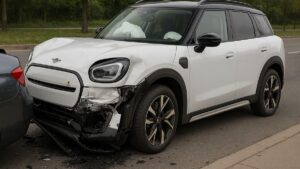
Useful information may include vehicle damage, the general crash location, visible traffic signs, lane markings, road conditions, and contact information for witnesses.
Do not interfere with construction operations or enter restricted areas to collect evidence.
Preserve Relevant Records
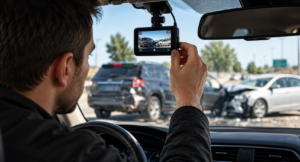
Keep photographs, dashcam recordings, insurance information, police report details, and other records connected to the collision.
For general information about insurance following a crash, review Car Accident Basics: How Insurance Works After a Crash.
Final Thoughts
Highway construction zones create driving challenges that do not always exist on ordinary roads. Lane closures, narrow travel lanes, sudden traffic backups, nighttime visibility problems, and nearby construction equipment can increase the consequences of driver mistakes.
Recent federal data show that hundreds of people continue to die in work zone crashes each year. Drivers and passengers account for many of these fatalities, making work zone safety a concern for everyone using the highway.
The most effective habits are straightforward: slow down, follow posted instructions, increase following distance, avoid distractions, and remain patient when traffic merges or stops unexpectedly.
Technology may provide useful advance warnings, but it cannot replace attention and responsible driving decisions. By recognizing hazards early and adjusting to changing conditions, drivers can help protect themselves, their passengers, road workers, and other motorists.
For additional safety guidance, visit the CDC’s Highway Work Zone Safety resource, the FHWA Work Zone Facts and Statistics page, and the National Work Zone Safety Information Clearinghouse.