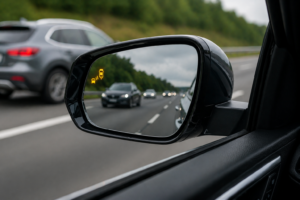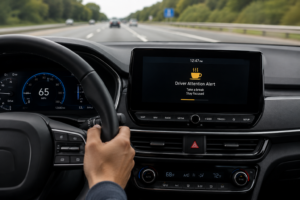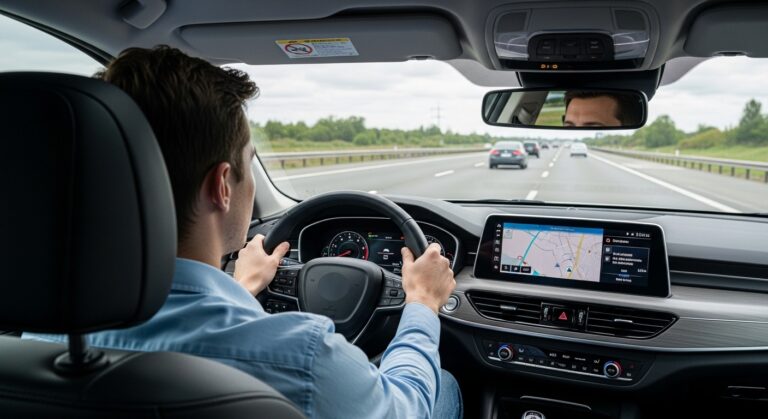
Modern vehicles can do more than ever before. Many cars now come with adaptive cruise control, lane-keeping assist, blind spot alerts, and automatic emergency braking. These tools can support safer driving, but they do not replace an alert human driver. That is where many people get into trouble. When drivers trust automation too much, they may react too late, miss hazards, or stop paying full attention to the road.
Understanding that gap matters. Driver-assist systems are designed to support human judgment, not take over all responsibility. If drivers treat these features like a substitute for attention, the risk can rise instead of fall. Knowing what these systems can do, what they cannot do, and how to use them wisely may help you make better decisions behind the wheel.
What Driver-Assist Features Actually Do
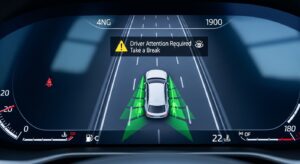 Driver-assist features, often grouped under ADAS or Advanced Driver Assistance Systems, use cameras, radar, sensors, and software to monitor what is happening around the vehicle. Some systems warn you. Others step in briefly to help with braking or steering. In many cases, they are useful because they can catch hazards faster than a distracted or tired driver.
Common examples of ADAS
- Automatic emergency braking: applies the brakes when a forward crash risk is detected.
- Lane departure warning: alerts you when the car drifts out of its lane.
- Lane-keeping assist: adds light steering input to help the car stay centered.
- Adaptive cruise control: adjusts speed based on the traffic ahead.
- Blind spot monitoring: warns you when another vehicle is beside your car.
- Driver monitoring systems: check for signs that the driver is not paying attention.
These features can lower risk in many everyday situations. They may help during stop-and-go traffic, highway driving, or moments when a driver is slow to notice a developing problem. If you want a broader introduction to in-car safety systems, you can also read The Role of Technology in Preventing Car Accidents.
What these systems do not do
Even advanced systems have limits. Cameras may struggle in glare, rain, fog, or darkness. Sensors may miss unusual objects, stopped vehicles, faded lane lines, or sudden movement. Some systems work well only under certain road and weather conditions. Others may disengage without much warning if the environment changes.
That means the person in the driver’s seat still has the most important role. A support feature may help, but it may not react the way a human expects every time.
Where Drivers Get Into Trouble
The biggest problem is not always the technology itself. Often, it is misunderstanding. A driver may hear terms like hands-free, autopilot, smart cruise, or lane-centering and assume the car can handle more than it actually can. That assumption can lead to delayed braking, poor lane awareness, or eyes drifting away from the road.
Overconfidence changes behavior
When people feel safer than they really are, they sometimes take more risks. A driver may glance at a phone longer, rely too heavily on cruise functions, or become less active in scanning the road. That kind of overconfidence can quietly build over time. The car seems to manage normal traffic well, so the driver starts to trust it in conditions where extra caution is still necessary.
Examples of risky overreliance
- Looking down too often because the car seems steady in its lane
- Assuming the vehicle can detect every stopped object ahead
- Using adaptive cruise control as if it can fully predict traffic behavior
- Treating lane assist like hands-off self-driving
- Ignoring system notices, warnings, or disengagement alerts
This is also why distraction remains a major issue even in newer cars. A vehicle packed with safety features still cannot erase the consequences of inattention. For more on that side of crash prevention, see Top Car Accident Prevention Tips Every Driver Should Learn.
Why the Human Driver Still Matters
Human judgment fills the gaps that automation cannot always handle. Drivers read context. They notice unusual traffic patterns, emergency vehicles, debris, a child near the curb, or a driver who looks ready to merge aggressively. Technology may catch some of that, but not all of it, and not always early enough.
A safe driver does more than react. A safe driver predicts. That means checking mirrors, scanning far ahead, adjusting speed early, and preparing for mistakes other drivers may make. Those habits still matter in a car loaded with the latest features.
Attention is still your main safety system
Think of ADAS as backup, not leadership. The system can support you, but it should not become the reason you relax your focus. Keeping both hands ready, eyes forward, and your mind engaged remains the safest approach.
How to Use Driver-Assist Features the Right Way
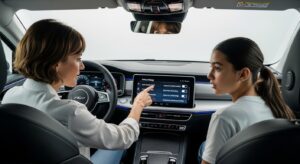 You do not need to avoid these features. In fact, many of them may be helpful when used properly. The goal is to use them with realistic expectations.
Start by learning your own vehicle
Every car handles these tools a little differently. Read the owner’s manual. Learn when each system turns on, what the alerts look like, and what conditions may reduce performance. If your car has sensitivity settings, know how they work before you need them in traffic.
Keep your habits strong
- Scan the road far ahead, not just the vehicle in front of you
- Keep a safe following distance, even when using adaptive cruise control
- Do not multitask because the car feels more stable
- Use mirrors and shoulder checks, even with blind spot monitoring
- Stay ready to brake or steer at any time
Use technology as a support layer
The safest mindset is simple: let the feature assist, but keep yourself in charge. That approach can reduce surprises and help you react more calmly if the system misses something.
If a crash does happen, it also helps to know the basics of what comes next. You can review Car Accident Basics: How Insurance Works After a Crash for a simple refresher.
Why This Topic Matters for New and Young Drivers
Newer drivers may be especially likely to assume a smart car can compensate for limited experience. That is risky. Safe driving still depends on judgment, patience, and strong habits. A teen driver or first-time driver may benefit from learning what a system does before trusting it in busy traffic.
That is one reason education matters so much. A car with advanced features may still be involved in a crash if the driver misreads the situation or overestimates what the vehicle can handle.
Conclusion
Driver-assist features can be valuable tools, but they are not a substitute for human attention. The safest way to use them is with clear expectations, active supervision, and steady driving habits. When drivers stay engaged, these systems may add an extra layer of protection. When drivers become overconfident, the same systems may create a false sense of security.
Modern driving asks for both technology and judgment. If you understand the strengths and limits of your vehicle’s safety features, you can make smarter choices, reduce risk, and stay more prepared for the road ahead.
For further reading, visit the NTSB summary on recent BlueCruise crash findings, NHTSA’s automatic emergency braking rule overview, IIHS guidance on advanced driver assistance, and NHTSA information on distracted driving. You may also find useful context at IIHS young driver safety resources.