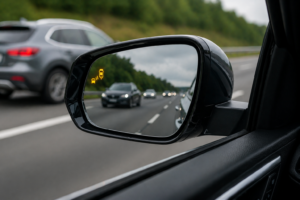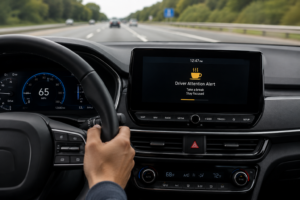
Automatic emergency braking is one of the most talked-about safety features in modern vehicles. Many new cars now include it as standard equipment, and more drivers are seeing it listed in vehicle ads, dealership materials, and safety reviews. The system is designed to detect a possible front-end crash and respond if the driver does not brake in time. In some situations, it may help reduce impact speed or help avoid a collision altogether. That makes it a valuable support feature, but it does not remove the driver’s responsibility to stay alert, focused, and in control.
Many people hear the phrase automatic emergency braking and assume the car can fully protect them from a forward crash. That assumption creates problems. Like many driver-assist features, automatic emergency braking works best under specific conditions. It may not detect every hazard. It may not respond the same way in every car. It may not function as expected in poor weather, low visibility, or unusual traffic conditions. Drivers who understand both the benefits and the limits of this feature are often in a better position to use it wisely.
This matters because technology can influence behavior. When drivers feel that a vehicle is smarter or safer, they may become less attentive without realizing it. They may follow too closely, look away from the road for longer periods, or assume the system can handle more than it was designed to do. That is why learning how automatic emergency braking works is part of safer driving education. The system may support your decisions, but it still depends on your awareness, judgment, and reaction.
How Automatic Emergency Braking Works
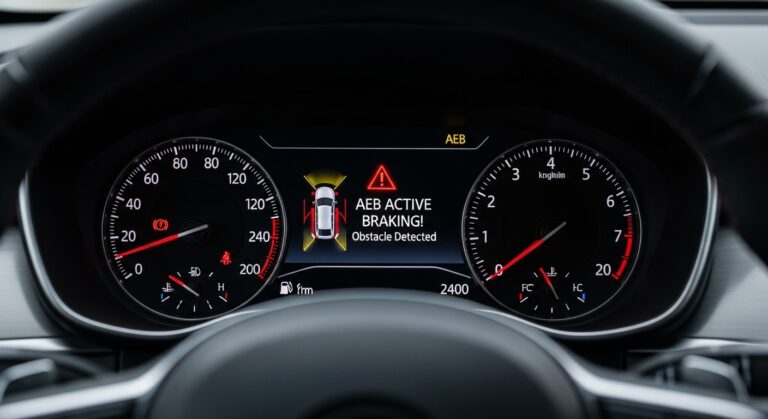
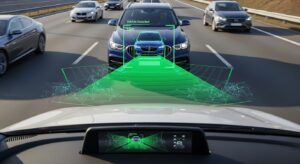 Automatic emergency braking, often called AEB, is a crash-avoidance feature that uses cameras, radar, or a combination of both to watch the road ahead. The system looks for signs that your vehicle is approaching another vehicle, pedestrian, cyclist, or obstacle too quickly. If the system determines that a crash is becoming likely, it may first issue a warning. That warning may appear as a dashboard light, a sound, a message on the instrument panel, or a sudden alert designed to get the driver’s attention.
If the driver does not respond quickly enough, the system may increase braking pressure or apply the brakes on its own. In some cases, AEB works together with forward collision warning, which alerts the driver before automatic braking begins. Some vehicles also include pedestrian detection, cyclist detection, or intersection support, though these features vary widely by manufacturer and model. Not every AEB system is built the same way, and not every vehicle responds with the same speed or strength.
What Sensors Do During Detection
The system constantly monitors closing speed and distance. Radar can help estimate how quickly your vehicle is approaching an object. Cameras can help identify lane position, shapes, and movement patterns. Software then interprets that information and decides whether a warning or braking response is needed. All of this happens in a very short time, often faster than a distracted driver could react.
Still, even a fast system has limits. If visibility is poor, if road markings are unclear, or if the hazard appears suddenly from an angle, the system may not respond as the driver expects. Some systems are more reliable at lower speeds. Others are designed to reduce impact speed rather than prevent a crash entirely. For a broader overview of smart vehicle features, you can read The Role of Technology in Preventing Car Accidents.
Why Drivers Like This Feature
Drivers tend to like automatic emergency braking because it adds a layer of support during everyday driving. Traffic can change quickly. A car ahead may stop suddenly. A pedestrian may cross unexpectedly. A distracted driver may lose a second or two before reacting. In those moments, AEB may step in when human attention slips. That support can feel reassuring, especially in busy urban traffic or long commutes where stop-and-go conditions are common.
Parents shopping for vehicles also tend to pay attention to this feature because it sounds practical and protective. Newer drivers may benefit from having more warning systems in place, especially while they are still building strong habits. Many safety organizations have highlighted crash-avoidance technologies as useful tools, and that has increased public awareness. As more cars include AEB, many buyers now treat it as a key feature rather than a luxury add-on.
Why AEB Has Gained Attention
- It may help reduce low-speed rear-end crashes.
- It may support drivers during brief lapses in attention.
- It adds another layer of crash warning in traffic.
- It is increasingly available in both new and used vehicles.
- It fits the growing interest in modern car safety technology.
Even with those benefits, no driver should assume that AEB creates complete protection. Safer driving still depends on habits such as scanning the road ahead, maintaining space, and responding early to changing traffic conditions.
What Automatic Emergency Braking Can and Cannot Do
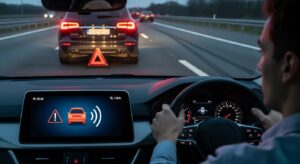 Automatic emergency braking can be useful, but its effectiveness depends on the driving situation. In a straightforward scenario where one vehicle is slowing ahead in clear daylight, the system may perform well. It may warn the driver and apply the brakes if needed. In a more complex setting, however, results may vary. A sharply angled vehicle, a fast-moving object crossing from the side, or a roadway with unusual lighting may create conditions that challenge the system.
What AEB May Help With
AEB may be especially helpful in situations where the driver reacts too late to traffic ahead. It may reduce crash severity in some rear-end collisions. In lower-speed conditions, it may even help avoid contact entirely. Some newer systems are better at identifying pedestrians and cyclists, especially in daytime conditions. In city traffic, that extra response layer may make a meaningful difference.
What AEB May Struggle With
The system may have difficulty with sudden lane changes, unusual obstacles, poor weather, glare, darkness, faded lane lines, or dirty sensors. It may not detect every stopped vehicle at higher speeds. It may not interpret every object correctly. It may also respond differently depending on whether the driver is already braking. That is why drivers should avoid treating the system like a guarantee.
A helpful way to think about AEB is this: it may support your braking decision, but it should not become your driving plan. The safest approach is still to anticipate problems before the system has to step in.
Where Misunderstanding Leads to Risk
One of the biggest problems with modern safety features is not always system failure. Sometimes the problem is driver overconfidence. A person who trusts the feature too much may become less active in watching the road. This may happen slowly. At first, the driver notices the car gives helpful warnings. Then the driver starts relying on those warnings instead of maintaining the same level of attention. Over time, that change in behavior may increase risk.
That pattern matters because crash prevention starts before the emergency. Safe drivers do not wait until the last second to brake. They scan farther ahead. They notice patterns. They watch the flow of traffic and adjust early. If a driver begins depending on AEB to handle sudden problems, that driver may stop practicing the habits that prevent those problems from developing in the first place.
Common Mistakes Drivers Make
- Following the vehicle ahead too closely
- Checking a phone or screen for too long
- Assuming the system sees every hazard
- Ignoring dashboard alerts or warning sounds
- Driving too fast for weather or traffic conditions
These mistakes are still dangerous in a modern car. Technology may reduce some risk, but it does not erase the consequences of distracted or careless behavior. You can also review Top Car Accident Prevention Tips Every Driver Should Learn for more general crash prevention guidance.
How Drivers Should Use AEB Safely
 The smartest way to use automatic emergency braking is to treat it as backup support. That means staying prepared to brake, steer, and respond at all times. It also means learning how your specific vehicle behaves. Different brands use different names, settings, and warning styles. Some systems are more aggressive. Others are more subtle. Reading the owner’s manual may seem basic, but it can help you understand when the system activates and what its alerts mean.
Practical Habits That Still Matter
Keep a safe following distance even if your vehicle has advanced safety features. Watch traffic far ahead instead of focusing only on the car in front of you. Keep your windshield and sensors clean. Slow down in rain, fog, glare, or low light. Pay attention to warning lights and messages. If your vehicle’s system can be adjusted, learn what the settings do before you need them in real traffic.
It also helps to remember that some situations require immediate driver judgment. Construction zones, sudden merging traffic, sharp curves, and unpredictable pedestrian activity may not give the system enough time or enough clean data to respond perfectly. Your attention is still the main safety system inside the car.
Why This Feature Matters for New Drivers
New and younger drivers may benefit from having automatic emergency braking in the vehicle, but they also need realistic expectations. A new driver may be more likely to assume that the car can correct mistakes automatically. That belief may reduce caution, especially in traffic where experience matters. Learning safe following distance, hazard awareness, and strong braking judgment is still essential.
For parents, AEB may be a helpful feature to look for when choosing a vehicle for a teen driver. Still, it works best when combined with good education, clear expectations, and regular conversations about attention behind the wheel. The goal is not to raise trust in the car. The goal is to raise awareness in the driver.
What To Remember After a Crash
Even with AEB, crashes may still happen. A feature may activate too late, or a situation may exceed what the system can handle. If that happens, it helps to understand the basics of what comes next, including documentation, reporting, and insurance concerns. A safety feature may reduce severity, but it does not remove the need to respond carefully after an accident.
If you want a simple refresher on post-crash issues, visit Car Accident Basics: How Insurance Works After a Crash. Knowing what to do after a collision is another part of being a better-prepared driver.
Final Thoughts
Automatic emergency braking is a useful safety feature, and it may help reduce some crash risks when used in the right conditions. It can provide warnings, support braking, and add a valuable layer of protection in everyday traffic. At the same time, it has limits, and drivers need to understand those limits clearly. No system can replace awareness, patience, and responsible driving habits.
The safest mindset is simple. Let the technology support you, but stay fully engaged in the job of driving. When you understand what AEB can do and where it may fall short, you are more likely to use it wisely. That balance between technology and human judgment is what makes modern safety features more helpful in the real world.
For additional reading, visit SAE International for broader automotive safety context.