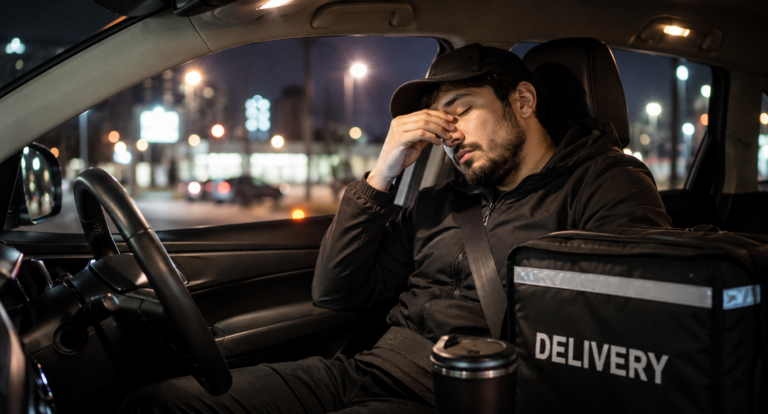
Rideshare and delivery services have changed how people travel, order meals, receive groceries, and send packages. Thousands of drivers now earn income by transporting passengers or completing app-based deliveries. Although this work offers flexibility, it can also involve long shifts, nighttime driving, unfamiliar roads, constant phone notifications, and pressure to complete more trips. These conditions can contribute to rideshare and delivery driver fatigue.
Fatigue is more than simply feeling tired. It can affect concentration, reaction time, judgment, memory, and the ability to recognize hazards. A driver may remain awake but still be too mentally or physically tired to respond safely. This is especially concerning for gig drivers because their income may depend on accepting more trips, staying online during busy periods, or working after completing another job.
Passengers, customers, and other road users may not see the risks developing inside the vehicle. A driver can appear functional while struggling to keep their eyes focused, maintain lane position, or make quick decisions. Understanding the causes and warning signs of fatigue can help app-based drivers build safer work routines and recognize when it is time to stop driving.
Why Rideshare and Delivery Drivers Face Fatigue
 Fatigue can affect any driver, but rideshare and delivery work creates several unique challenges. Drivers often choose their own schedules, which can make it tempting to work beyond a reasonable stopping point. Some drive early in the morning, continue through the afternoon, and return to the road during evening demand. Others begin driving after finishing a full shift at another job.
Nighttime and weekend hours can be financially attractive because more passengers may request rides and more customers may order food. However, these hours may also interfere with the body’s natural sleep schedule. Driving late at night or early in the morning can become particularly difficult because the body is naturally prepared for rest during those periods.
Long and Irregular Work Hours
Unlike employees with fixed shifts, gig drivers may move between several apps or continue working until they reach a daily earnings target. A driver may initially plan to stop after six hours but stay online because fares increase, orders continue arriving, or a final trip leads far from home.
Time behind the wheel also includes more than active passenger trips or deliveries. Drivers may spend additional hours waiting for requests, traveling to pickup locations, searching for parking, or returning from distant destinations. Even when the vehicle is not moving, the driver remains engaged with navigation, app notifications, traffic, and customer communication.
Working Around Another Job
Some rideshare and delivery drivers use gig work to supplement income from a full-time or part-time job. That can mean beginning a driving shift after already spending eight hours working elsewhere. Although the driver may technically be starting a new shift, the body and mind have already been active for much of the day.
This arrangement can reduce sleep time and increase cumulative fatigue. A person may manage one long day without noticing serious impairment, but repeated short sleep and extended work hours can gradually affect attention and decision-making.
How Fatigue Affects Driving Ability
Driving requires constant observation and rapid decisions. A driver must monitor speed, traffic lights, pedestrians, cyclists, changing lanes, navigation instructions, and the actions of surrounding motorists. Fatigue makes it harder to process all of this information effectively.
Slower Reaction Time
A tired driver may need more time to recognize stopped traffic or respond to a pedestrian entering a crosswalk. Even a brief delay can matter when traveling at highway speed or following another vehicle through busy city traffic.
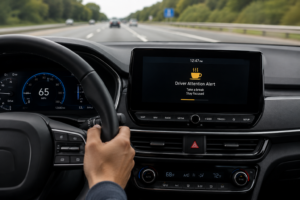
Automatic emergency braking and other safety features may provide assistance in some situations, but they cannot replace an alert driver. To learn more about the limits and benefits of vehicle technology, read The Role of Technology in Preventing Car Accidents.
Reduced Attention and Concentration
Fatigue can make it difficult to maintain focus for an extended period. A driver may miss an exit, overlook a traffic signal, forget to check a blind spot, or fail to notice that traffic ahead is slowing. Delivery drivers may also become focused on locating an address and pay less attention to surrounding road hazards.
Poorer Judgment
Tired drivers may make decisions they would normally avoid. They might accept another long trip despite struggling to stay awake, speed to finish an order, follow another vehicle too closely, or continue driving during poor weather rather than taking a break.
Microsleep Can Happen Without Warning
Microsleep is a brief, involuntary period of sleep that may last only a few seconds. A driver experiencing microsleep may have open or partly open eyes but temporarily stop processing the road. At 60 miles per hour, a vehicle travels hundreds of feet in only a few seconds. That creates enough time to drift into another lane, leave the roadway, or collide with stopped traffic.
Warning Signs That a Driver Needs a Break
Drivers should not wait until they are nearly falling asleep before stopping. Fatigue often produces earlier warning signs that should be taken seriously. Recognizing these signs can help a driver pull over before the situation becomes dangerous.
Common Fatigue Warning Signs
- Frequent yawning or blinking
- Heavy eyelids or difficulty keeping the eyes open
- Trouble remembering the last several miles
- Missing turns, exits, or navigation instructions
- Drifting within or outside the lane
- Driving over rumble strips
- Difficulty maintaining a consistent speed
- Feeling irritable, restless, or mentally disconnected
A driver experiencing any of these warning signs should look for a safe place to stop. Turning up the radio, opening a window, or drinking a caffeinated beverage may create temporary alertness, but these actions do not replace adequate sleep.
How App Use Adds to the Risk
Rideshare and delivery drivers depend on smartphones for trip requests, navigation, customer messages, pickup instructions, and earnings information. Although the apps are necessary for the work, they can also create distraction and mental overload.
A driver may receive a new request while approaching an intersection or traveling through heavy traffic. Looking at the screen for only a few seconds can take attention away from vehicles, pedestrians, or traffic signals. Fatigue may make this problem worse because a tired brain can take longer to switch attention between the phone and the road.
Set Up the App Before Moving
Drivers should enter navigation details, review pickup instructions, and adjust audio settings while safely parked whenever possible. A secure phone mount can keep navigation directions within a reasonable line of sight, but drivers should still avoid reading long messages or typing while the vehicle is moving.
Safe driving habits remain essential even when apps, navigation systems, and driver-assistance features are in use. Additional guidance is available in Top Car Accident Prevention Tips Every Driver Should Learn.
Delivery Pressure and Unsafe Decisions
Delivery drivers may feel pressure from estimated arrival times, customer ratings, incentive programs, and the desire to complete more orders. A late restaurant pickup, heavy traffic, or difficulty finding an apartment may reduce the remaining delivery time. Drivers may then feel tempted to speed, make abrupt lane changes, or park in unsafe locations.
Rideshare drivers face similar pressure. Surge pricing, consecutive-trip bonuses, and high-demand periods may encourage drivers to remain online longer than planned. A driver may also hesitate to take a break because logging off could mean losing a profitable opportunity.
Safety Should Take Priority Over App Targets
No delivery deadline, passenger request, or earnings incentive is worth risking a crash. Arrival estimates cannot account perfectly for every traffic delay, construction zone, weather condition, or road closure. Drivers should follow speed limits, use legal parking areas, and avoid unsafe maneuvers even when an app indicates that an order is running late.
How Gig Drivers Can Reduce Fatigue Risks
 Fatigue prevention begins before a driver logs into an app. A safer schedule, sufficient rest, planned breaks, and realistic work limits can reduce the likelihood of becoming dangerously tired behind the wheel.
Begin the Shift Properly Rested
A driver should avoid starting work after inadequate sleep. Rest cannot be fully replaced by caffeine, energy drinks, loud music, or cold air. Drivers who regularly struggle with sleep or experience severe daytime drowsiness may need to speak with a qualified medical professional.
Set a Firm Stopping Time
Deciding when to stop before beginning the shift can help prevent the temptation to continue accepting trips. Drivers should consider total waking hours, time spent at another job, expected traffic, and the distance required to return home.
Schedule Regular Breaks
Short breaks can help reduce physical stiffness and mental fatigue. Drivers can safely park, leave the vehicle, stretch, drink water, and reassess whether they still feel alert enough to continue. A break should occur before serious drowsiness develops, not only after the driver begins struggling to stay awake.
Take a Short Nap When Needed
When drowsiness appears, the safest response may be to stop in a secure location and take a brief nap. Drivers should choose a legal, well-lit parking area rather than stopping on the shoulder unless an emergency makes that unavoidable.
Avoid Heavy Meals During a Shift
Large meals may increase sleepiness for some drivers. Lighter meals, water, and balanced snacks may help drivers feel more comfortable during long periods on the road. However, nutrition alone cannot correct sleep deprivation.
Use More Than One Safety Check
Drivers should regularly ask themselves whether they are maintaining lane position, remembering recent miles, reacting normally, and understanding navigation directions. Passenger feedback can also matter. If a passenger notices drifting, repeated yawning, or unusual braking, the driver should take the concern seriously.
Vehicle Maintenance Also Matters
A tired driver may have more difficulty responding to a tire problem, brake issue, warning light, or unexpected breakdown. Gig drivers often place more mileage on their vehicles than ordinary commuters, which can accelerate wear on tires, brakes, lights, fluids, and suspension components.
Routine inspections can reduce the chance that a preventable mechanical problem adds another challenge during a long shift. Drivers should check tire condition, exterior lights, windshield visibility, fluid levels, and dashboard warnings. Keeping the interior comfortable and the windows clean can also support visibility and concentration.
What Passengers Can Do When a Driver Appears Fatigued
Passengers may notice repeated yawning, lane drifting, sudden braking, missed turns, or delayed responses. If it feels safe to speak, a passenger can calmly ask whether the driver needs to stop. Passengers should avoid startling or aggressively confronting a driver while the vehicle is moving.
If the situation feels dangerous, the passenger may request to exit at a safe public location. After the ride, the passenger can use the app’s safety or reporting tools. In an immediate emergency, contacting 911 may be appropriate.
What to Do After a Fatigue-Related Crash
If a collision happens, the immediate priorities are safety and medical care. Drivers and passengers should move to a safe location when possible, contact emergency services when needed, exchange information, photograph the scene, and document relevant details.
App-based drivers should also preserve trip records, app notifications, work logs, photographs, and communications connected to the ride or delivery. Insurance issues may differ depending on whether the driver was offline, waiting for a request, traveling to a pickup, carrying a passenger, or completing an order.
For a basic explanation of insurance after a collision, read Car Accident Basics: How Insurance Works After a Crash.
Final Thoughts
Rideshare and delivery work can provide valuable flexibility, but long hours, nighttime driving, app distraction, unfamiliar routes, and income pressure can create serious fatigue risks. Drivers should recognize that being awake does not always mean being safe to drive. Reduced concentration, slower reactions, poor judgment, and microsleep can develop before a person realizes how impaired they have become.
The safest approach is to begin work well rested, set realistic limits, take regular breaks, and stop when warning signs appear. Passengers and customers benefit when gig drivers place safety ahead of speed or earnings targets. Apps can connect drivers with opportunities, but the person behind the wheel remains responsible for deciding when it is safe to continue.
For additional guidance, review NHTSA’s drowsy driving information, CDC guidance on driver fatigue at work, and University of Illinois Chicago research on rideshare-driver crash risks.