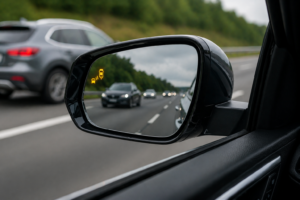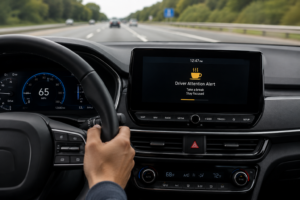
Modern vehicles include more safety technology than ever before. Many drivers now rely on features such as blind spot monitoring and lane assist during everyday driving. These systems are designed to support awareness, reduce certain risks, and help drivers respond to changing traffic conditions. While these tools may be helpful, many drivers misunderstand what they actually do and where their limitations begin.
Blind spot monitoring and lane assist are not self-driving systems. They do not replace safe driving habits, attention, or decision-making. Some drivers become overly dependent on these features and assume the vehicle can fully protect them during lane changes or highway driving. That misunderstanding may create dangerous situations, especially when drivers stop checking mirrors or paying close attention to surrounding traffic.
Understanding how these systems work may help drivers use them more responsibly. Knowing their strengths and weaknesses is an important part of modern driving safety.
How Blind Spot Monitoring Works
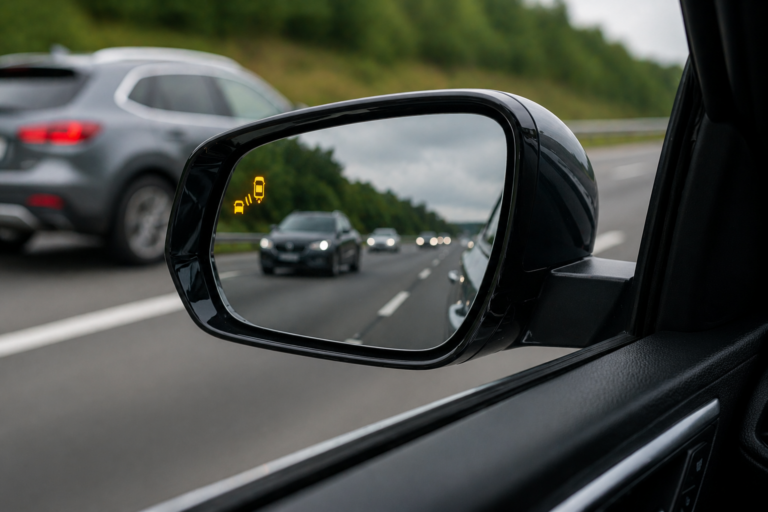
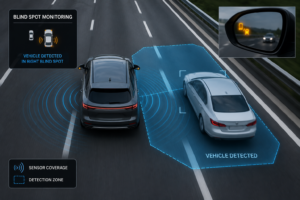 Blind spot monitoring systems use sensors, cameras, or radar to detect vehicles traveling beside or slightly behind your vehicle. The system monitors areas that may be difficult to see through mirrors alone. When another vehicle enters that zone, a warning light usually appears on the side mirror or dashboard.
Some vehicles also issue additional alerts if the driver attempts to change lanes while another vehicle is detected nearby. Depending on the vehicle, the warning may include a sound, steering wheel vibration, or flashing indicator.
What Blind Spot Monitoring Is Designed to Do
- Detect nearby vehicles during lane changes
- Provide visual or audible warnings
- Increase driver awareness on highways
- Help drivers notice hard-to-see traffic positions
These systems may be especially helpful during heavy traffic or highway driving. However, they do not detect every possible hazard. Motorcycles, fast-moving vehicles, bicycles, or unusual traffic angles may sometimes reduce detection accuracy.
For a broader look at smart vehicle features, visit The Role of Technology in Preventing Car Accidents.
How Lane Assist Systems Function
Lane assist systems are designed to help drivers stay centered within marked traffic lanes. Cameras monitor lane markings and track the vehicle’s position on the road. If the vehicle begins drifting without a turn signal, the system may issue a warning or apply gentle steering input to guide the car back toward the center of the lane.
Some systems only provide alerts, while others actively assist steering for brief moments. More advanced systems may combine lane centering with adaptive cruise control to support smoother highway driving.
Common Lane Assist Features
- Lane departure warning alerts
- Lane-keeping steering support
- Lane centering assistance
- Steering wheel vibration warnings
These features may reduce certain drifting-related risks, particularly during long highway drives. However, lane assist systems still depend on clear lane markings and consistent road conditions.
Where Drivers Misunderstand These Systems
One of the biggest problems with driver-assist technology is overconfidence. Some drivers begin trusting the system too much after seeing it work well in normal conditions. Over time, they may stop checking mirrors carefully or reduce their attention during lane changes.
Blind spot monitoring and lane assist are support tools, not replacements for awareness. Drivers still need to scan traffic, check mirrors, look over their shoulder when appropriate, and remain fully engaged.
Common Driver Mistakes
- Changing lanes without checking mirrors
- Assuming blind spot monitoring detects every vehicle
- Letting lane assist replace steering attention
- Ignoring warning alerts
- Using hands-free habits during highway driving
These behaviors may increase risk instead of reducing it. Technology may assist drivers, but safe decisions still depend on human judgment.
What These Systems Cannot Always Detect
Blind spot monitoring and lane assist systems have limitations. Heavy rain, fog, dirt, glare, faded lane markings, or poor road conditions may affect performance. Sensors may miss smaller objects or rapidly approaching vehicles. Lane assist systems may also struggle in construction zones or roads with unclear markings.
Drivers sometimes assume that if no warning appears, the lane is automatically safe. That assumption is dangerous. A system may not detect every object or traffic pattern in real time.
Environmental Factors That May Affect Performance
- Rain or heavy fog
- Dirty cameras or sensors
- Snow-covered lane markings
- Sharp curves or construction zones
- Bright sunlight or nighttime glare
Understanding these limitations may help drivers avoid becoming overly dependent on technology during difficult driving conditions.
Why Drivers Still Need to Stay Alert
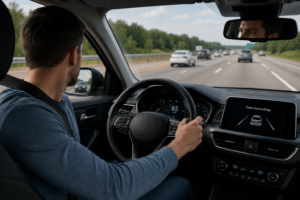 Modern safety systems may support awareness, but they do not replace active driving habits. Drivers still need to maintain safe following distance, monitor surrounding traffic, and respond quickly to sudden hazards.
The safest drivers continue practicing defensive driving habits even while using advanced technology. That includes checking mirrors frequently, signaling properly, scanning ahead, and anticipating mistakes from other drivers.
Strong Habits That Still Matter
- Check mirrors regularly
- Look over your shoulder before changing lanes
- Keep both hands ready on the wheel
- Stay focused during highway driving
- Respond quickly to changing traffic conditions
You can also review Top Car Accident Prevention Tips Every Driver Should Learn for additional safe driving strategies.
Why These Features Are Becoming More Common
Automakers continue adding blind spot monitoring and lane assist systems because research suggests these tools may help reduce certain crash risks. As more vehicles include advanced safety packages, drivers are becoming increasingly familiar with these features.
Many insurance and safety organizations also encourage technology that supports awareness and reduces distraction-related mistakes. Even so, no feature eliminates the need for responsible driving behavior.
How Drivers Can Use These Features More Responsibly
The safest approach is to use blind spot monitoring and lane assist as additional support rather than primary protection. Drivers should understand how their specific vehicle’s alerts function and avoid treating warnings as guarantees.
Practical Safety Tips
- Read your vehicle’s owner manual
- Keep sensors and cameras clean
- Continue checking mirrors manually
- Do not rely entirely on warning lights
- Adjust driving based on weather and traffic conditions
Using technology responsibly means combining modern features with consistent attention and safe habits.
Final Thoughts
Blind spot monitoring and lane assist systems may improve awareness and support safer driving decisions in certain situations. They can help drivers notice nearby traffic, reduce drifting, and provide additional warnings during highway travel. At the same time, these systems have limitations that drivers should understand clearly.
The safest drivers continue practicing defensive driving habits while using modern technology as support. Attention, awareness, and judgment still play the biggest role in preventing crashes.
If a collision still happens, understanding basic post-accident steps may help drivers respond more effectively. You can review Car Accident Basics: How Insurance Works After a Crash for additional information.
For more information, visit NHTSA driver assistance technology resources, IIHS advanced driver-assistance research, and Consumer Reports driver-assistance guide.