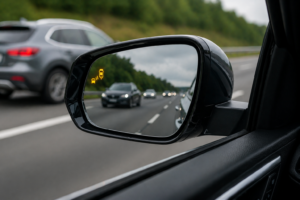
Weather conditions are one of the most common factors contributing to car accidents. When conditions like rain, snow, fog, or wind come into play, they create challenges that increase the risk of accidents on the road. In this blog post, we will discuss how different weather conditions affect driving and provide practical tips to help you stay safe while driving in adverse weather conditions.
The Impact of Different Weather Conditions on Driving
Understanding how weather conditions affect your driving can help you make safer choices on the road. Let’s break down how various weather conditions impact car accidents and the steps you can take to avoid accidents in these challenging conditions.
Rain and Wet Roads
 Rain is one of the most common weather conditions that can make roads hazardous. When it rains, the road becomes slippery, and vehicles can lose traction, especially if water collects on the surface. Hydroplaning is a serious risk, which occurs when the tires lose contact with the road and the vehicle starts to slide uncontrollably.
To reduce the risk of an accident in rainy conditions, consider the following tips:
- Reduce your speed: Wet roads decrease traction, so driving at lower speeds gives you more time to react to any potential hazards.
- Increase following distance: When roads are wet, it’s essential to maintain a greater distance between your car and the vehicle ahead to allow enough time to stop in case of sudden changes in traffic.
- Avoid sudden maneuvers: Abrupt steering, sudden braking, or sharp turns can cause you to lose control of your vehicle. Make all actions gradual and controlled.
- Use proper tires: Ensure that your tires have adequate tread for wet conditions. Bald tires are more likely to hydroplane in wet weather.
- Keep your headlights on: During rain, visibility can be poor, and having your headlights on can help other drivers see you better.
For further information on how to drive safely in the rain, check out National Weather Service’s Tips for Driving in Rain.
Snow and Ice
Snow and ice are among the most dangerous weather conditions for driving. Snowfall can accumulate on roads, leading to reduced traction, while ice can form without being visible, making it difficult for drivers to spot hazardous patches. Slippery roads, combined with reduced visibility in snowstorms, create a high-risk environment for accidents.
Here are some tips for driving safely in snowy and icy conditions:
- Use winter tires: Winter tires provide better traction on snowy and icy surfaces than all-season tires. They are designed specifically for cold conditions, allowing your vehicle to grip the road more effectively.
- Drive slowly: Snow and ice can reduce your car’s ability to stop quickly, so it’s important to reduce your speed, especially when driving on highways or unfamiliar roads.
- Increase stopping distance: It’s crucial to allow more space between your vehicle and others, as it will take longer to stop on snowy or icy roads.
- Stay alert for black ice: Black ice is a thin, nearly invisible layer of ice that forms on the road surface. It’s most common in shaded areas, bridges, and overpasses. Always be extra cautious in these areas.
- Use your headlights: Snowy conditions can reduce visibility, so it’s important to use your headlights to increase visibility for yourself and other drivers.
For more details on how to prepare your vehicle for winter driving, visit AAA’s Winter Driving Tips.
Fog and Low Visibility
Fog is another weather condition that can significantly impact driving. It dramatically reduces visibility, making it harder to see other vehicles, traffic signals, and road signs. In dense fog, drivers may not notice an obstacle until it’s too late.
Here are some tips to stay safe when driving in foggy conditions:
- Use low beams: High beams can reflect off the fog and reduce visibility. Always use low beams to avoid glare and improve your ability to see ahead.
- Slow down: When driving in fog, reduce your speed significantly. This gives you more time to react if a hazard appears suddenly.
- Keep a safe distance: Increase the distance between your vehicle and others, as it will be harder to stop quickly in foggy conditions.
- Use fog lights: If your vehicle is equipped with fog lights, use them to increase visibility. Fog lights are designed to illuminate the road closer to the vehicle.
- Pull over if necessary: If visibility becomes too poor, find a safe place to pull over and wait until the fog clears. Always ensure you are parked off the road to avoid accidents.
For more information on safe driving in fog, check out the Fog Safety Tips from the Federal Highway Administration.
Windy Conditions
 Strong winds can cause your vehicle to sway or be pushed off course. This is especially dangerous for larger vehicles like trucks or SUVs, which are more susceptible to being affected by wind gusts. Additionally, wind can blow debris, such as tree branches or garbage, into the road, creating unexpected hazards.
To stay safe in windy conditions, follow these tips:
- Keep both hands on the wheel: Always keep both hands firmly on the steering wheel to maintain control of your vehicle during gusty winds.
- Drive at a reduced speed: Driving at lower speeds allows you to maintain better control of your vehicle if the wind gusts unexpectedly.
- Stay aware of your surroundings: Watch for debris on the road, such as fallen branches or debris, which may be blown into your path.
- Be cautious with high-profile vehicles: If you drive a truck, SUV, or van, be especially cautious in high winds, as these vehicles are more prone to being pushed by wind gusts.
For more guidance on how to handle high winds, visit National Weather Service’s Wind Safety Tips.
Additional Tips for Safe Driving in All Weather Conditions
In addition to the tips provided for specific weather conditions, here are a few general recommendations for driving safely in all weather conditions:
- Regularly check your vehicle: Ensure your vehicle is in optimal condition for all weather conditions. Regularly check your tires, windshield wipers, brakes, and fluid levels to ensure your vehicle is ready for any weather.
- Maintain proper tire pressure: Tires with the correct pressure are essential for traction, especially in wet or icy conditions. Make sure your tires are properly inflated according to the manufacturer’s recommendations.
- Use your vehicle’s safety features: Modern vehicles come equipped with safety features like anti-lock braking systems (ABS), traction control, and electronic stability control. Make sure these systems are working properly and use them to your advantage in adverse weather conditions.
- Plan your route: If you know bad weather is coming, plan your route accordingly. Avoid routes that are prone to flooding, snowdrifts, or areas with poor visibility.
- Stay informed: Stay up to date with weather forecasts and road conditions before heading out. Many apps and GPS systems provide real-time weather updates that can help you make better driving decisions.
Why Legal Help May Be Necessary After a Weather-Related Accident
If you are involved in a car accident caused by weather conditions, it’s important to understand that while the weather may be a factor, it might not be the only contributing factor. Other drivers may be negligent, or the weather conditions may have been improperly handled by road authorities.
An experienced attorney can help you navigate the legal process, ensure you receive fair compensation for any injuries or damages, and protect your rights. Whether it’s insurance disputes or liability issues, having the right legal support can make a significant difference.
Contact our car accident lawyers for a free consultation to discuss your case and understand your options after a weather-related accident.
Internal Links to Relevant Posts:
- Top Car Accident Prevention Tips Every Driver Should Learn
- Car Accident Basics: How Insurance Works After a Crash
- What You Need to Know About Car Accident Safety Education
Weather conditions are a major factor in car accidents, but by following the tips outlined in this blog, you can reduce the risk and drive safely in all conditions. Stay alert, stay prepared, and drive cautiously.